ACASH

Advisory Center for Affordable Settlement & Housing

Why Are Your Electricity Bills So High? These Products May Help

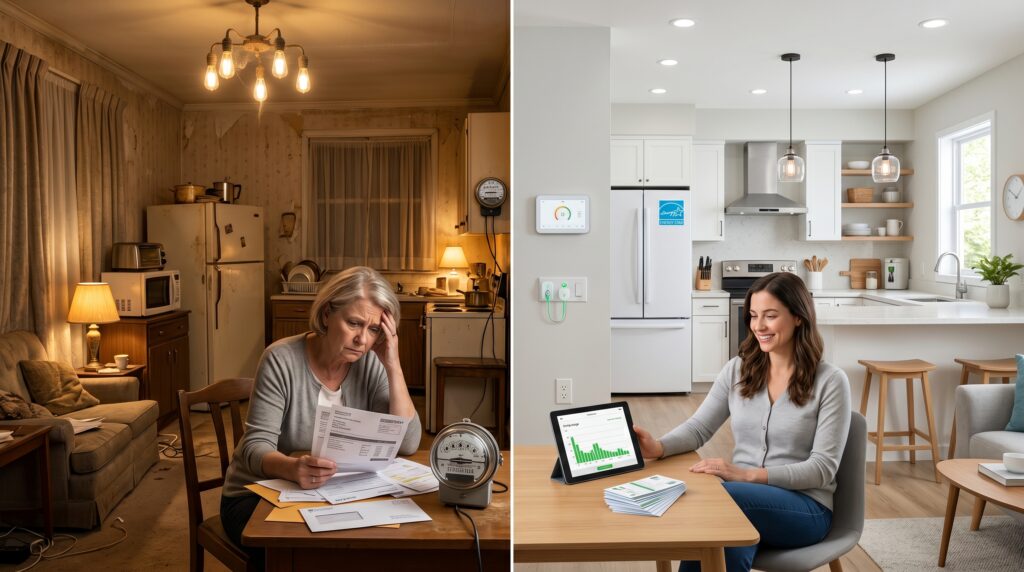
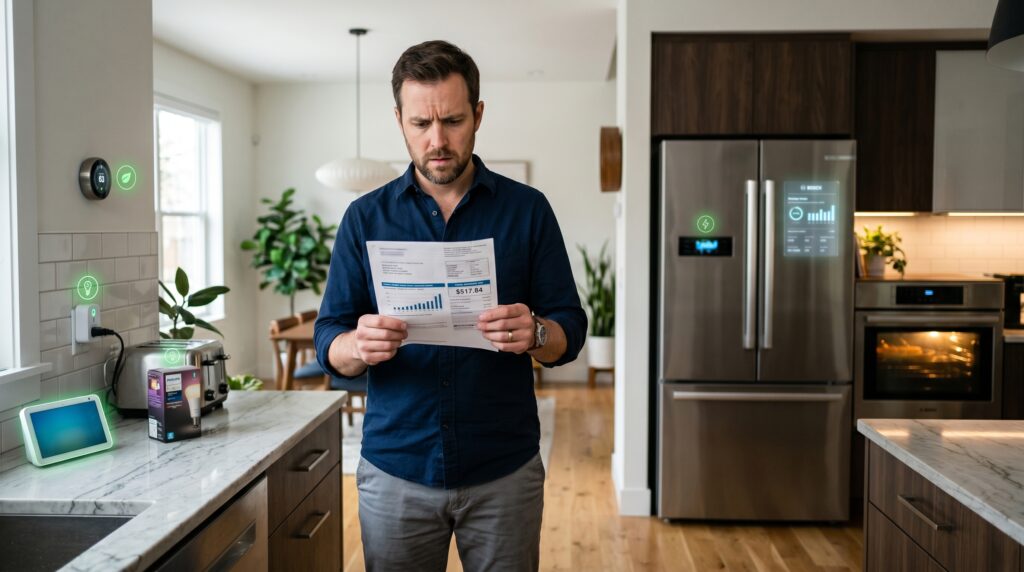
Recently you’ve received your electricity bill and wondered why it’s so expensive?

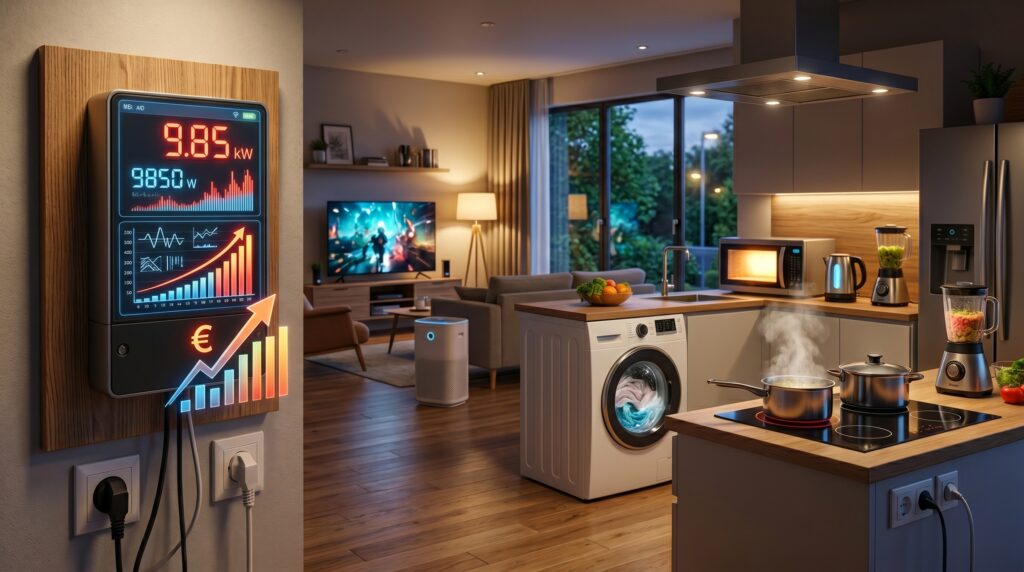
You’re not alone. The high cost of energy is a surprise for many homeowners and renters, particularly when they don’t have made many changes to their lifestyle. The aggravating thing is invisible energy leaks in the house can cause high electric bills.

You can easily rack up additional costs without realizing it by using old appliances, inefficient lighting, incorrect temperature controls, and devices that are left on all day long.

Before you get mad at your utility, first you should understand what could be causing the issue – and what products can help utilize less energy without you having to pay any more.

In this guide, you’ll learn about the most frequent causes of high electricity bills and how you can work to reduce them.

Why Electricity Bills Keep Increasing

There are a number of reasons for increasing electricity bills:

  • Increased energy rates
  • Aging appliances
  • Poor home insulation
  • Inefficient lighting
  • Heating and cooling systems forced to operate harder
  • Electronics consuming standby power
  • Seasonal weather changes

There are many ways that your household is wasting energy without realizing it, and it’s a problem that is going to cost you more money each month.

Common Causes of High Electricity Bills

    1. Outdated Light Bulbs

    Older incandescent bulbs require a lot more electricity than newer LED bulbs. Many people keep old bulbs in their homes because they are still functioning.

    Older bulbs may be significantly more expensive to run in the long-term.

    Recommended Products:

    • Philips LED Bulbs
    • LED Bulbs by Amazon Basics (Standard 40w, 250w, 60w, and 100w)
    • GE LED Light Bulbs
     
    1. Inefficient Heating and Cooling Systems
     

    The largest energy use in a household can be the HVAC system.

    Common issues include:

    • Poor thermostat settings
    • Dirty filters
    • Constant temperature adjustments
    • Inefficient scheduling

    👉 Small thermostat changes can create noticeable savings.

    Recommended Products:

    • Google Nest Learning Thermostat
    • Eco bee Smart Thermostat Premium
    • Honeywell Home Smart Thermostat
     
    1. Devices Consuming Standby Power
     

    Many electronic devices leave the power on when they are not in use.

    Common examples include:

    • TVs
    • Gaming consoles
    • Chargers
    • Computers
    • Streaming devices

    This hidden energy consumption may be referred to as “phantom power.

    Lots of small standby loads add up over a year.

    Recommended Products:

    • Smart Power Strips
    • Wi-Fi Smart Plugs
    • Energy Monitoring Outlets
     
    1. Incompetent Appliances
     

    Older appliances tend to use a lot more electricity than newer energy-efficient

    Major contributors include:

    • Refrigerators
    • Freezers
    • Dishwashers
    • Washing machines
    • Dryers

    👉 An aging appliance may cost more to operate than expected.

    Recommended Products:

    • ENERGY STAR Certified Appliances
    • Smart Appliance Energy Monitors
    • Whole-Home Energy Monitoring Systems
     
    1. Poor Home Insulation
     

    Less conditioned air will drain through doors, windows or walls, which makes the heating and cooling system have to work harder.

    Typical fault zones include:

    • Attics
    • Windows
    • Door gaps
    • Ductwork

    This increase in energy loss causes HVAC systems to run for longer periods and use more power.

    Recommended Products:

    • Weather Stripping Kits
    • Door Draft Stoppers
    • Window Insulation Kits
     
    1. Water Heating Costs
     

    Water heating can be one of the major energy-consuming components in a home.

    The following are factors which raise expenses:

    • High temperature settings
    • Aging equipment
    • Poor insulation
    • Excessive hot water usage

    One of the biggest energy costs that is frequently overlooked is water heating.

    Recommended Products:

    • Water Heater Insulation Blankets
    • Smart Water Heater Controllers
    • Low-Flow Shower Heads
     
    1. Outdoor and Security Lighting
     

    Outdoor lights that remain on throughout the night can increase electricity usage.

    Many homeowners forget how long these fixtures operate daily.

    Lighting efficiency becomes important when lights run for many hours.

    Recommended Products:

    • Solar Pathway Lights
    • Motion Sensor Flood Lights
    • Smart Outdoor Lighting Timers

Common Mistakes People Make

There are many things that many homeowners do without realizing that they are costing themselves extra money on their electric bills:

  • Lights on unnecessarily
  • Ignoring thermostat settings
  • Using outdated appliances
  • Running HVAC systems with dirty filters
  • Charging devices continuously
  • Overlooking standby power usage
  • Neglecting insulation problems
  • Buying cheap products that waste energy

These habits can add up your monthly costs without making you extremely aware of them.

Practical Solutions to Lower Electricity Costs

If you want to spend a lot of money to upgrade your site, try these simple things first:

Step 1

Use LED lights to replace old bulbs.

Step 2

Install a smart thermostat.

Step 3

Say goodbye to phantom power with smart plugs!

Step 4

Seal drafts around doors and windows.

Step 5

Monitor appliance energy consumption.

Step 6

Design and schedule more efficient heating and cooling.

Step 7

Use LED or solar powered outdoor lighting.

The smallest improvements in a number of areas can add up to the largest savings.

Best Products That May Help Reduce Electricity Bills

Some of the most common smart thermostat products available:

Google Nest Learning Thermostat

Best Overall Energy Management

Pros:

  • Learns your schedule
  • Automated temperature adjustments
  • Detailed energy reports

Cons:

  • Premium price

Eco bee Smart Thermostat Premium

Best for Whole-Home Comfort

Pros:

  • Room sensors included
  • Excellent automation
  • Strong smart home integration

Cons:

  • Higher upfront investment

Smart Power Strips

Best for Eliminating Phantom Power

Pros:

  • Affordable
  • Easy setup
  • Immediate energy savings

Cons:

  • Limited impact on major appliances

Philips LED Bulbs

Best Lighting Upgrade

Pros:

  • Long lifespan
  • Significant energy savings
  • Reliable performance

Cons:

  • Higher initial cost than incandescent bulbs

Whole-Home Energy Monitors

Best for Tracking Usage

Pros:

  • Identifies energy waste
  • Real-time monitoring
  • Better budgeting

Cons:

  • Installation may be required

Final Recommendation

There can be several minor points of inefficiency that result in high electricity bills. The best way is to figure out where energy is being lost, and see if you can make specific changes to that.

Do the lower tech upgrades first: LED bulbs and smart power strips. If energy consumption is mainly associated with heating and cooling, then think about a smart thermostat

 Best Beginner Setup:

  • Philips LED Bulbs throughout frequently used rooms
  • Smart Power Strip for entertainment systems
  • Smart Thermostat for HVAC control
  • Weather Stripping Kit for doors and windows

In addition to the items already mentioned, the following supplies are required:

You can increase energy efficiency, cut down waste, and save money on your electricity bill month after month by making a few changes.

Leave a Reply

Your email address will not be published. Required fields are marked *